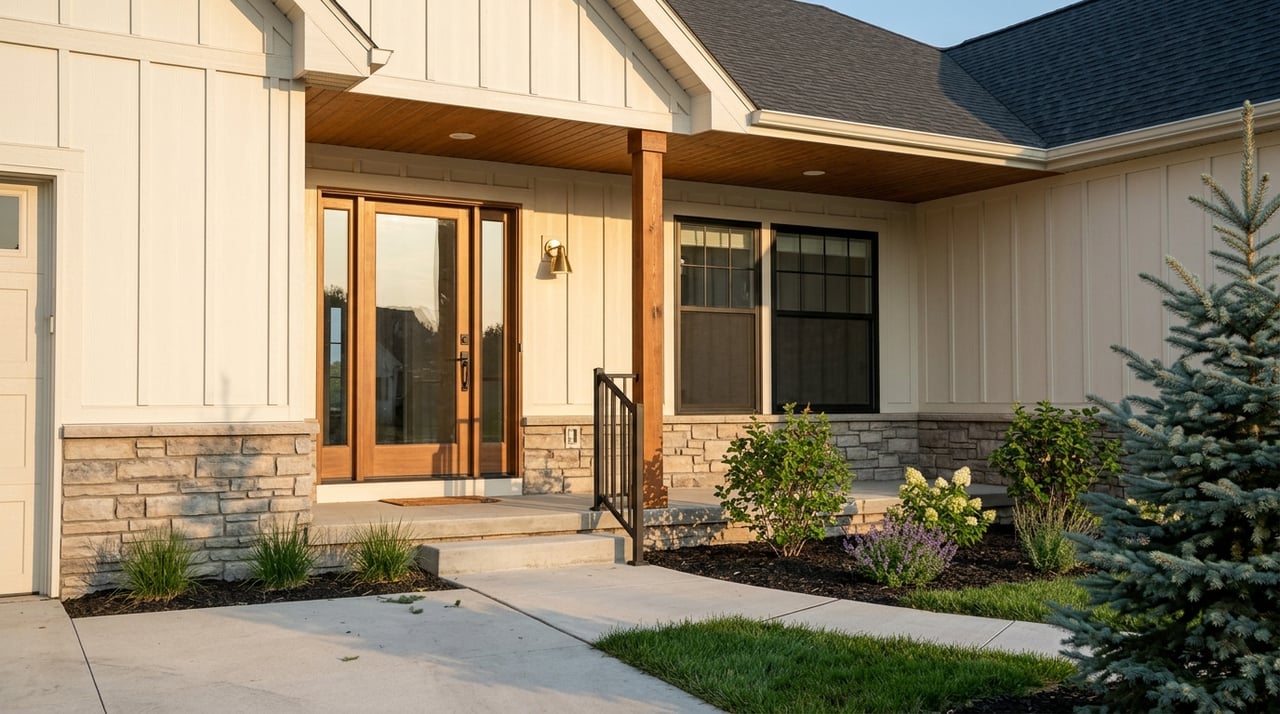
Johnstown Colorado New Construction Homes vs Resale
If you are trying to decide between a brand-new home and a resale home in Johnstown, you are not alone. This is one of the most common questions buyers face in a market where prices overlap, inventory types vary, and monthly costs are not always obvious at first glance. The good news is that each path offers real advantages, and when you understand the tradeoffs, you can make a smarter move with more confidence. Let’s dive in.
Johnstown’s housing market is operating around the half-million-dollar range, but the exact number depends on the data source and how it measures activity. Zillow reported an average home value of $508,082 as of May 31, 2026, along with a median sale price of $492,292. Realtor.com reported a median listing price of $493,352 and a median sold price of $473,995 in May 2026.
Those numbers are not interchangeable, but they point to the same basic takeaway. Johnstown remains an active market with moderate competition. Zillow reported homes going pending in about 31 days, while Realtor.com showed a 45-day median days on market and a 100% sale-to-list ratio.
New construction is a major part of the Johnstown housing picture. Current listings include homes from builders such as D.R. Horton, Oakwood Homes, Lennar, and Richmond American Homes in communities like Thompson River Ranch, Revere at Johnstown, Ridge at Johnstown, and Ledge Rock.
The price range is wider than many buyers expect. Current new-build options include townhomes and starter plans from about $339,000 to $394,990, while detached homes often run from the high $300,000s to the mid-$500,000s. Larger or more premium builds can reach as high as $1.495 million.
The biggest advantage of new construction is predictability. You are often getting newer systems, modern finishes, and lower immediate maintenance needs compared with an older home.
For many buyers, that means fewer early surprises after move-in. A completed spec home may also offer the convenience of a newer property without waiting through a long build cycle.
Not every new home in Johnstown is ready right away. Some active listings are marked as completed new construction, while others are labeled to be built.
That distinction matters more than buyers sometimes realize. If you need to move quickly, a completed or near-complete home may fit far better than a property with a longer builder timeline.
A common assumption is that all new homes sit on very small lots. In Johnstown, that is not always true, but many builder offerings do lean more compact than homes in older subdivisions.
Current new-build examples show lot sizes from 3,485 square feet and 4,792 square feet to 5,227, 5,663, and 6,534 square feet, with some larger outliers at 0.26 acre and 0.7 acre. The key is to compare the specific home rather than rely on a general rule.
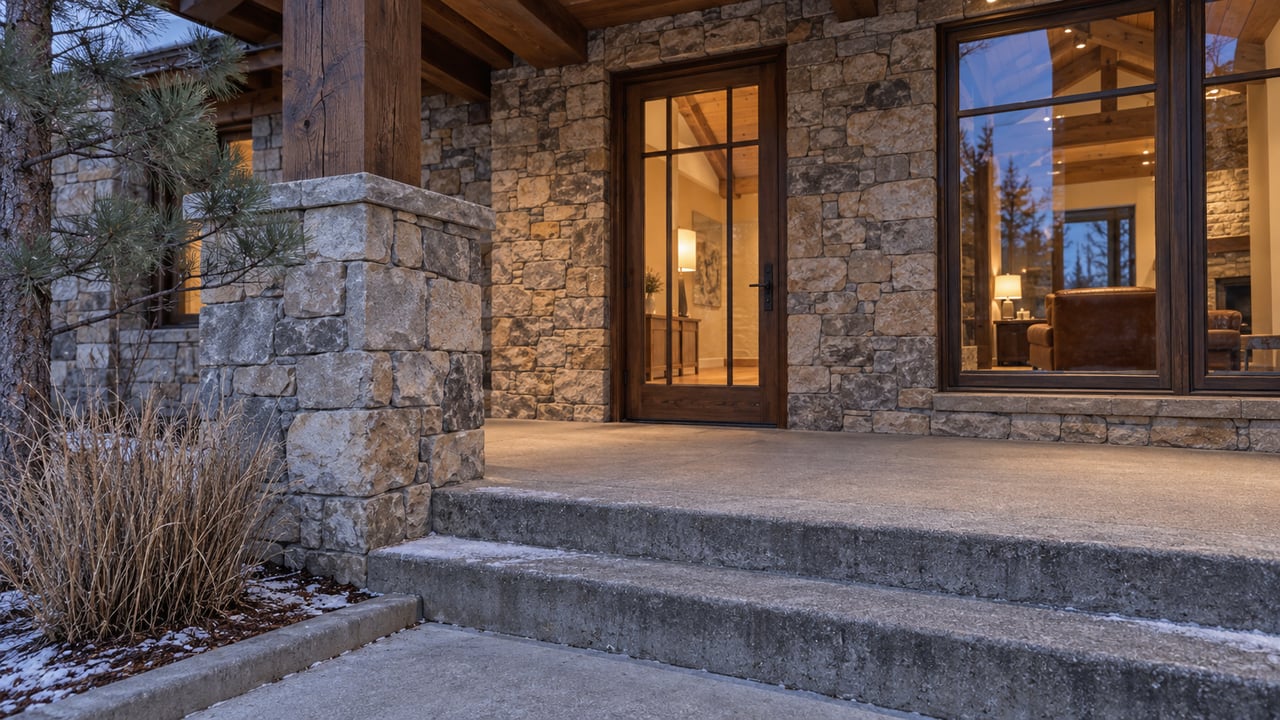
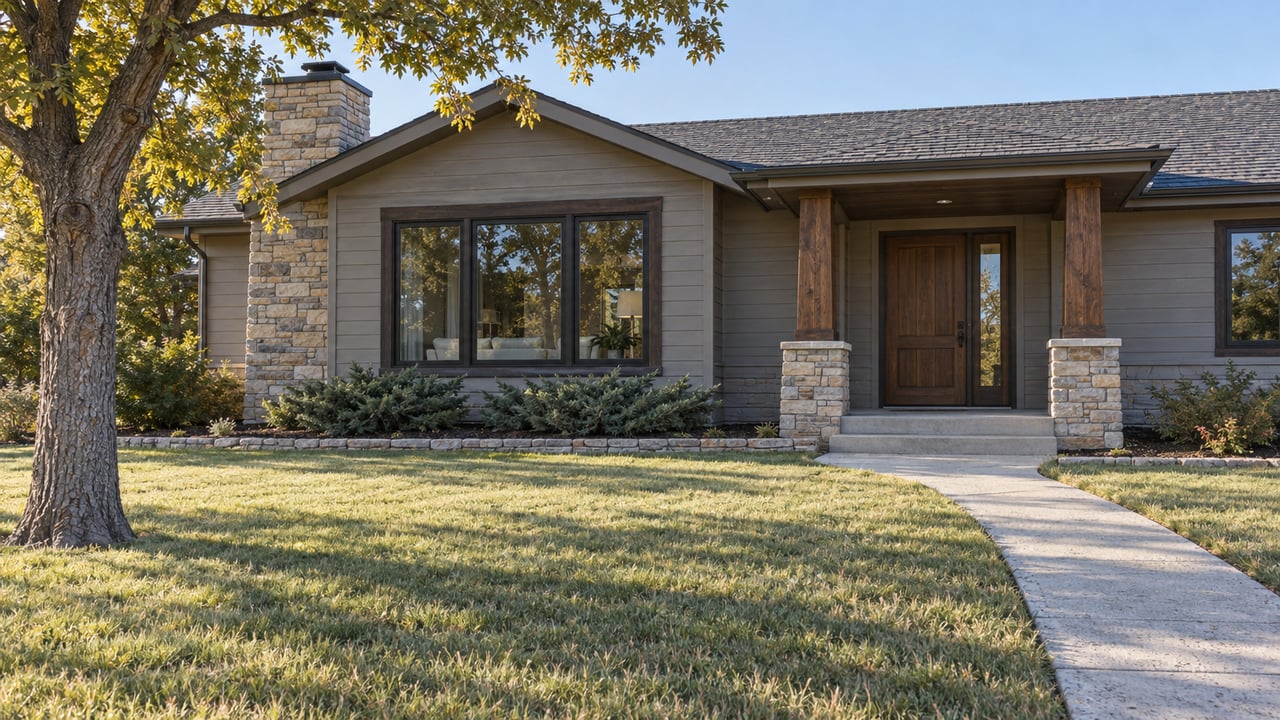
Resale homes offer a different kind of value. In Johnstown, they can provide larger lots, established landscaping, and the chance to move in without a construction timeline.
That can be especially appealing if you want more outdoor space or prefer a neighborhood with a more established feel. Some current resale examples also show little to no HOA cost, which can be a meaningful budget advantage.
Current examples help show the appeal. A paired home at 907 N 4th St, built in 1996, sits on a 5,227-square-foot lot and shows no HOA. Another example at 859 N 7th St, built in 1997, sits on a 0.27-acre lot and also shows no HOA dues in the public record.
These examples highlight why resale homes often attract buyers who want more yard space and a faster move. If your timeline is tight, resale can be the more practical choice.
Some buyers assume every resale home comes with major maintenance needs. That is not always the case.
The 907 N 4th St listing notes a recently painted exterior plus a newer roof, furnace, and A/C. A well-updated resale can narrow the gap with new construction when it comes to comfort, condition, and near-term costs.
At the same time, resale homes tend to vary more from one property to the next. Some may be move-in ready, while others may need cosmetic work or larger system updates.
That variability is one reason resale shopping takes careful comparison. You are not just comparing price and square footage. You are also comparing upkeep, age, and how much work you want to take on after closing.
One of the biggest mistakes buyers make is focusing only on the purchase price. In Johnstown, the true monthly cost of ownership may also include HOA dues, metro district taxes, or both.
That is especially important when you compare new construction with resale. Two homes with similar sale prices can carry very different long-term monthly costs.
HOA and metro district costs are not the same thing. One current Johnstown townhome listing at 261 Cardinal St shows a $100 monthly HOA that covers snow removal, grounds maintenance, management, and insurance.
Separately, a Weld County property report for 4709 Combine Ln in Revere at Johnstown shows two metro district levies of 7.791 mills and 45.356 mills, in addition to town, county, school, water, fire, and recreation levies. That means a home’s carrying cost can be meaningfully higher than the mortgage payment alone suggests.
Not every resale home comes with added layers of cost. The examples at 907 N 4th St and 859 N 7th St both show no HOA, which helps explain why some older homes appeal to buyers trying to keep monthly obligations lower.
Still, there is no substitute for verification. The only reliable way to confirm HOA status or special district obligations is to review the listing documents and county property records for the specific parcel.
If you are comparing builder homes in Johnstown, ask detailed questions about what is included in the advertised price. That matters because the town’s 2026 fee schedule and permit structure include building permit fees, plan review, water tap, sewer tap, raw water development, development impact fees, location-based fees, and separate fire and school district fees due before certificate of occupancy.
For buyers, the practical issue is simple. You want to know whether those costs are already built into the builder’s pricing or whether they could affect your final numbers.
Johnstown’s growth also helps explain why new development continues to play such a large role in the local market. The town has stated that its wastewater plant expansion is intended to meet projected future demand, and its stormwater master plan was updated in response to rapid growth over the past 23 years.
For many buyers, this decision comes down to priorities rather than a clear winner. New construction tends to offer freshness, lower immediate maintenance, and a more predictable condition at move-in.
Resale tends to offer larger lots, established surroundings, and quicker occupancy. If you care most about outdoor space, lower monthly fees, or avoiding a build timeline, resale may be the stronger fit.
New construction may be right for you if you want:
Resale may be right for you if you want:
Sometimes the best answer is neither extreme. A newer resale home in an established community can offer modern systems and finishes without the full wait of a to-be-built property.
That middle-ground option can be especially attractive in Johnstown. Just keep in mind that some newer resale homes may still carry metro district taxes, so you still need to review the full monthly cost carefully.
Choosing between new construction and resale in Johnstown is not about chasing a universal best option. It is about matching the home to your budget, timeline, and comfort with tradeoffs. If you want a clear plan and parcel-level guidance as you compare homes, Steve Baumgaertner can help you evaluate the numbers, the timing, and the fine print with a calm, disciplined approach.


Get assistance in determining current property value, crafting a competitive offer, writing and negotiating a contract, and much more. Contact me today.
Forever Front Range
Address 2720 COUNCIL TREE AVE STE 178 FORT COLLINS CO 80525